

Experiencing the Charm of Kamigamo
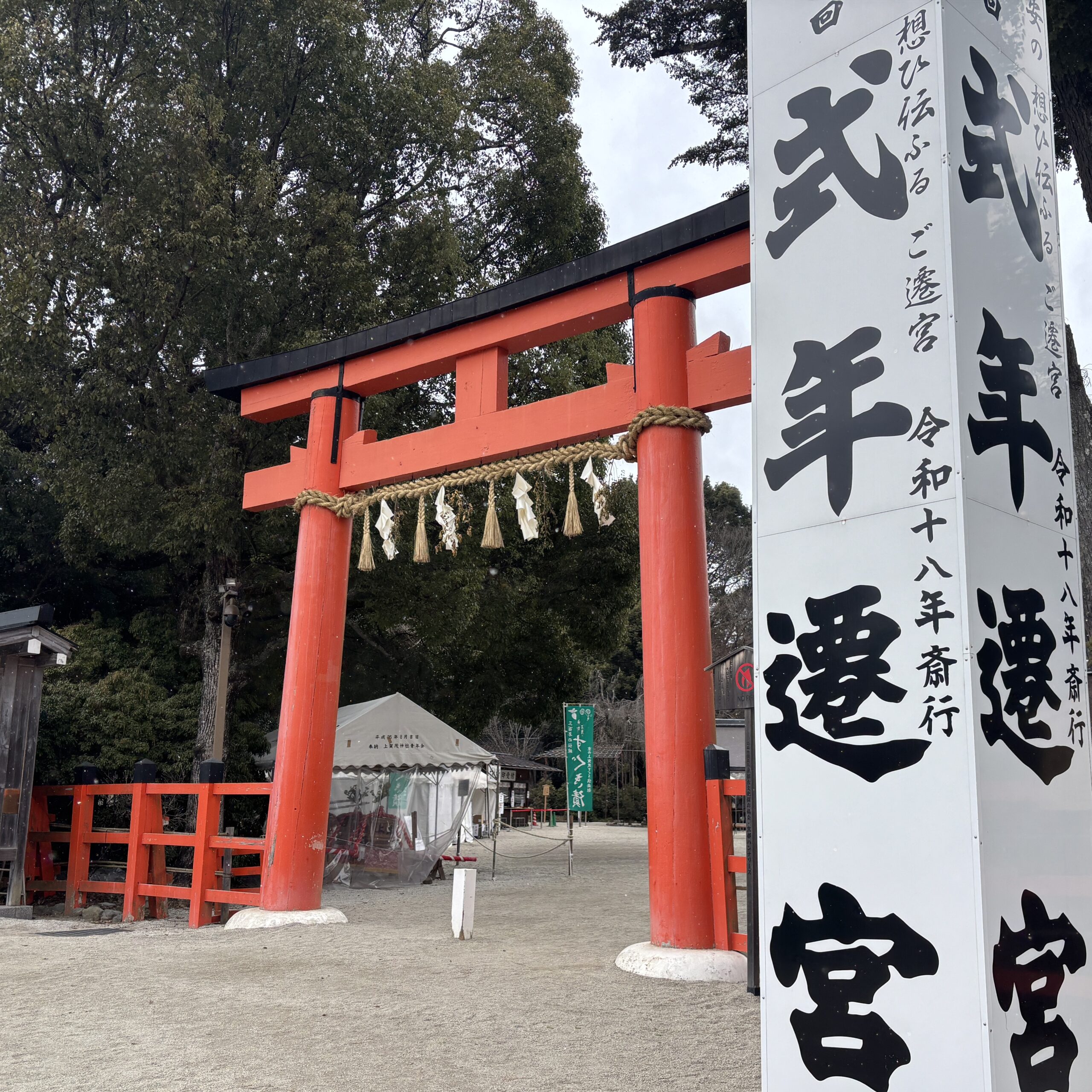
Known as one of Kyoto’s oldest shrines, Kamigamo Shrine is officially named Kamo-wake-ikazuchi Shrine, but for centuries it has been affectionately called “Kamigamo Shrine” or Kamisha by locals and visitors alike.
The shrine precinct is registered as a UNESCO World Heritage Site. The Main Hall (Honden) and Gonden are designated National Treasures, and 41 other buildings are recognized as Important Cultural Properties. Wherever you look, you can feel the depth of time and the refined beauty of Japanese tradition. In this article, I’ll highlight a few features that make Kamigamo Shrine truly special.
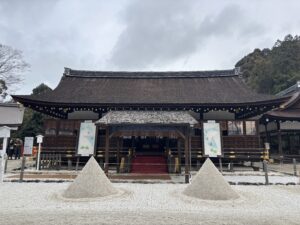
Tatesuna (Cone-Shaped Sand Mounds)
Did you know Kamigamo Shrine has five torii gates—the Grand Torii, First Torii, Second Torii, Nara-no Torii, and West Torii? In particular, when you stand before the Second Torii, the view aligns beautifully with the Hosodono Hall beyond it, creating a sense of layered history stretching into the distance.
As you pass through, you’ll notice two cone-shaped sand mounds standing symmetrically to the left and right in front of the Hosodono. These are called tatesuna.
They are said to represent Koyama (Sacred Mount Koyama), located about 2 km north of the shrine. Although the sacred mountain is one, the tatesuna are placed as a pair—there is a reason for that.
At first glance they look identical, but if you look closely, there’s a small difference. Facing the Hosodono, the left mound has three pine needles, while the right mound has two. This “3” and “2” is considered the reason the tatesuna appear as a pair.
This arrangement is based on Onmyō (yin–yang) philosophy, which sees all things as a combination of yin and yang. The left side features the odd number 3, symbolizing yang, while the right side features the even number 2, symbolizing yin.
Tatesuna are also said to serve as a yorishiro—a symbolic marker used to welcome the presence of the divine. In other words, they are a signpost for something invisible to “descend” into this space. Perhaps the two mounds—balancing yin and yang—create a quiet, sacred boundary of air before the Hosodono.
Nara-no Ogawa Stream
Flowing through the shrine precinct is the historic Nara-no Ogawa, a stream even referenced in a poem from the Ogura Hyakunin Isshu anthology.
Spring water from Sacred Mount Koyama forms two streams—Mitarashi River to the east and Momimi River to the west—which merge near the purification pavilion and become Nara-no Ogawa. From there, it runs past Hashidono Hall, through Shokeien Garden, alongside the Nara-no Torii, and continues all the way to the First Torii.
The beauty of Nara-no Ogawa can be enjoyed in every season: gazing at it in spring’s gentle air, or watching it flow crisply through winter’s clear chill.
Personally, though, I’m most drawn to the stream in summer and autumn.
In summer, the fresh greenery deepens, and simply looking at the water flowing through vivid green trees feels instantly cooling. Seeing children splashing with their feet in the stream naturally brings a smile.
And then, autumn. As the scenery turns red and gold, Nara-no Ogawa reveals a completely different charm—quiet, graceful, and deeply atmospheric. Walking along the stream is lovely, but I especially recommend viewing it from Shokeien Garden. Maple leaves extend out over the water, filling your view with nothing but autumn color and the stream itself—like stepping into another world.
A Restful Garden and Jin’s Sacred Spring Coffee
I bought a cup of coffee and yakimochi here. Since there’s no indoor seating, I passed back through the West Torii and followed the path to the right toward a small spot called the Restful Garden.
Surrounded by lush trees, the space is gently embraced by nature, yet feels quietly open and set apart. The garden is covered with gravel, and by avoiding excessive intervention, the surrounding greenery is allowed to stand out even more. Refined yet seamlessly blending into the natural landscape, it is a space that feels calm and harmonious.
The coffee is brewed with Sacred Mount Koyama’s spring water, giving it a smooth, gentle taste. After walking around the grounds, it seeped into my body in the most comforting way. The yakimochi has a balanced sweetness and pairs perfectly with the coffee. It isn’t heavy, so it’s easy to enjoy even mid-walk.
Rather than being just a place to rest, it’s a place where you can pause within this World Heritage precinct and savor the atmosphere of Kamigamo Shrine itself—making your visit feel just a little more special. If you’re exploring the grounds, I truly recommend stopping by between prayer and sightseeing.
Information
Address: 339 Kamigamo Motoyama, Kita-ku, Kyoto 603-8047, Japan
Tel: 075-781-0011
Visiting Hours:
-
Second Torii: 5:30–17:00
-
Romon Gate & amulets/charms: 8:00–16:45
-
Prayer reception: 10:00–16:00
Jin’s Sacred Spring Coffee (Sen): 10:00–16:00

kome
音楽、食、睡眠